Our Measuring Stick is too Small
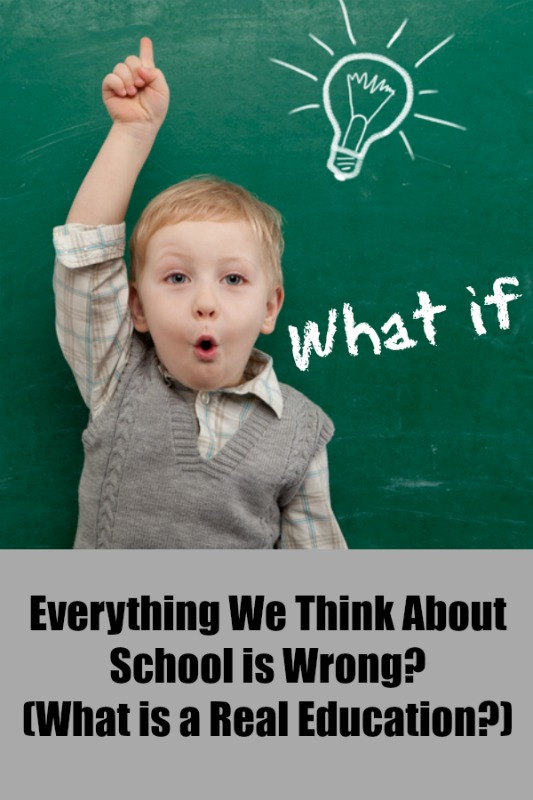
Whether our children are in the school system or educated at home, we are all guilty of one blaring, tragic mistake: we measure whole, limitless, unique, creative children with a tiny, severely limited measuring stick and they know if they don’t measure up. And I believe this one mistake is crippling their potential, costing us and them.
We live in a society that has come to measure intelligence by some standardized academic questions on a test with the assumption that all children are standard. (They are not.) We measure to see if a child is a “good student.” We measure for things like sitting still and listening for long hours and performance in a given subject matter.
Our small measure might include a tiny part of what it means to be educated, but it neglects two major points:
1. It does not encompass the whole of an education (not even close).
2. It most certainly doesn’t factor the many faces of intelligence.
“Everyone is a genius. But if you judge a fish by its ability to climb a tree, it will live its whole life believing that it is stupid.” -Albert Einstein
What is an education?
The sum of our academic performance in 5 subject areas? Our tests can’t measure problem solving skills, passion, creativity, integrity, ideas, compassion, insight, empathy, and a million other things that makes one wholly educated in the truest sense.
Some children are naturally academically inclined. Some aren’t as much, but still have the ability to dig down and do what is required of them, even if they don’t understand the reason. (More here on the idea that school and education aren’t even really the same thing–that’s a whole blog post or three.)
But some children are wildly gifted in other areas, and not academics. But we have elevated the one over another, and discredited gifts and strengths that are not academic in nature. I think this is a travesty.
Give Them the Freedom to Thrive
I love stories of those who have flourished in their gifts and passions despite the crippling message they were given in school. These went on to follow what they were good at, discovered success did not depend on their ACT scores, and capitalized on their strengths. We need to give our children freedom to do that.
Even down to small things like reading, we categorize (and panic) when one of our children doesn’t read well or enjoy reading. I’m a huge fan of reading and I encourage my children to read a lot, and I read a lot to them. BUT, if we treat our reading child like the good student and our child who isn’t bent as much that way like he’s handicapped, we are short-changing his capacity. His interests and gifts lie elsewhere and we must find where they are and praise those, still encouraging him to read, but not treating it as a disability if he doesn’t. (Fun fact: A good friend of mine who is a brilliant oral surgeon and quite successful in many ways, told me he hated to read until he was in his late 20’s.)
We have to lengthen our measuring stick for intelligence and education! One child is so different from the other. And that is exactly what we must remember: different isn’t bad, just different.